


PDF Spark - Reader & Editor
4.416.00 Reviews
App Specs
- Version
- 1.0.6
- Updated On
- License
- Free
- Downloads
- 100,000+
- Developer
- ApHouseBD
- Categories
- Productivity
- Platform
- Android
Screenshots
 Analysis by AppCompare
In the first few days, a PDF app can feel like an easy win: open a file, make a change, add a signature, and get on with the day. That quick convenience is the promise behind PDF Spark - Reader & Editor, but the more useful question is whether it earns a regular place on your phone after that novelty wears off. I’d judge it by how well it fits the small, recurring jobs that otherwise send me searching for a laptop or another app.
Why the first week feels useful
PDF Spark is a free productivity app from ApHouseBD, and its appeal is easy to understand if PDFs show up in several parts of your routine. The app’s focus is practical: reading, editing, signing, and scanning documents in one place. It has a 4.3 average from around 50 ratings and has passed 50,000 installs, which gives a newcomer some context without telling the whole story of how it will fit their own habits.
The first useful test is not a complicated project. It is opening a document someone has just sent, finding the relevant page, and deciding whether you can take the next step without moving to a computer. A student might review a handout and mark a passage; a freelancer might add a signature to a form; someone handling household paperwork might scan a page and keep a digital copy. Those are modest jobs, but they are exactly where a phone-based PDF tool can save time.
The app is rated for Everyone, and the current version is 1.0.1, with Android 8.0 as the minimum supported OS. That makes it worth checking compatibility before trying it on an older device. The early attraction is the convenience of having several document tasks close at hand, rather than the promise that a phone can replace every desktop document workflow.
Getting Started with PDF Spark
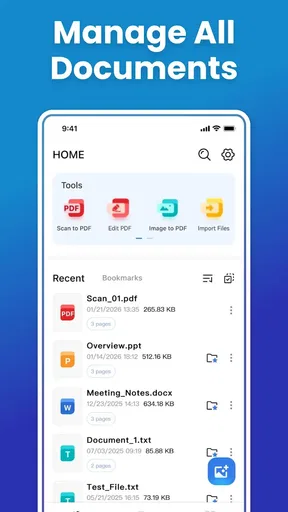
First things first, downloading PDF Spark - Reader & Editor was a breeze. It’s available on both Android and iOS, so no matter what device you’re using, you’re covered. Once installed, the app welcomes you with a clean and straightforward interface. No unnecessary clutter here, just what you need right at your fingertips.
Features That Stand Out
Now, let’s dive into what makes this app tick. One of the standout features is its ability to read PDFs effortlessly. The app loads documents quickly, and the reading experience is smooth, with pinch-to-zoom and intuitive navigation. But wait, there’s more!
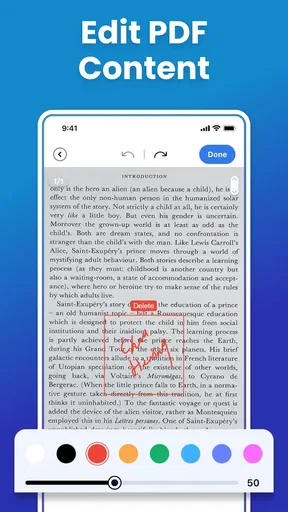
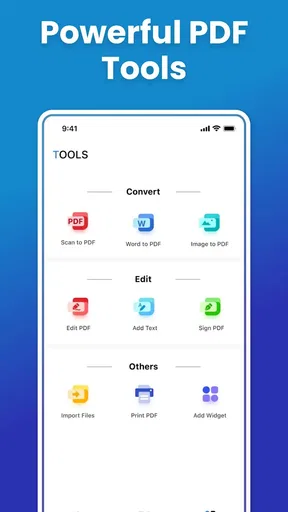
Editing Capabilities are where this app shines. Whether you need to annotate, highlight, or even edit text within a PDF, PDF Spark has got you covered. I found the editing tools to be quite intuitive. You can add comments, draw shapes, and even insert images. It’s like having a mini PDF workshop in your pocket.
Worth Reading Before You Choose

EA SPORTS FC Mobile 26 Is a Bigger Football Game, but It Takes Time

Flipboard Shows What News Apps Must Do Beyond the Feed

Switching to Android Auto Means Rethinking Your Driving Routine

Google Calendar Makes a Crowded Week Easier to Manage

Ludo King Makes the Most of the Minutes Between Plans

Baby Panda World Brings Quick Play to Modern Phones, but Its Game Library Feels Busy
That breadth is most valuable when the edits are small and time-sensitive, not when a document needs a careful redesign. Before changing an important file, I’d keep an untouched copy and work on a duplicate; it is a simple safeguard against accidentally overwriting the version someone sent. For a review workflow, annotations can also be more useful than rewriting text: mark what needs attention, then send the file back with clear notes instead of trying to make extensive changes on a phone screen.
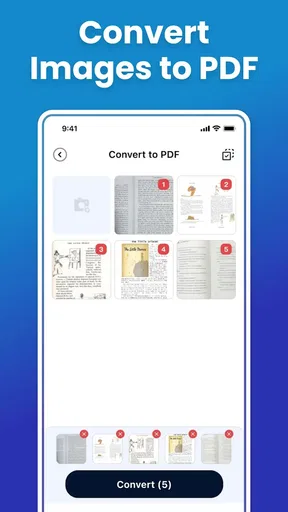
Another nifty feature is the conversion tool. You can convert PDFs to Word, Excel, or even image formats. This is super handy when you need to make significant changes to a document but don’t have access to a computer.
Conversion is also where I’d slow down and check the result rather than assume it is ready to share. A PDF’s page layout, tables, and spacing may not translate neatly into an editable format, so I would open the converted file and inspect the parts that matter before relying on it. For a quick text adjustment, this route can be convenient; for a polished report or a complex spreadsheet, a dedicated desktop editor is usually the safer choice.
User Experience
One thing I really appreciate is how user-friendly the app is. Even if you’re not tech-savvy, navigating through its features is a walk in the park. The settings menu is straightforward, allowing you to customize your experience just the way you like it.
Security-wise, the app ensures your documents are safe. It has options for password-protecting your PDFs, which is a great addition if you’re dealing with sensitive information.
Password protection is useful when a file needs an extra barrier before it is passed along, but I would treat it as one part of careful document handling, not as a reason to store every sensitive record casually on a phone. A practical habit is to protect the final copy only after checking that the text and signature are correct, then keep track of the password through a method you already trust. That avoids the familiar nuisance of locking yourself out of a file you need in a hurry.
Month-to-month value
What makes a document app last is repetition. If you regularly receive forms, reference sheets, receipts, or reading material as PDFs, opening and handling them in one familiar place can become a small but dependable time-saver. The value is less dramatic than a major new feature: it is not having to remember which tool can read, mark up, sign, or scan a particular file.
A realistic routine might be a parent receiving a permission form during a busy workday. They can read the pages on their phone, add the requested signature, and keep a digital copy for later, rather than leaving the message unread until they have access to a computer. For that sort of one-off task, convenience matters more than advanced layout controls. I would still review the completed form before sending it, especially if a name, date, or checkbox is important.
Scanning can make the app useful beyond files that arrive by email. For example, a paper receipt or a signed page can be turned into something easier to keep with related documents. The helpful habit is to give the scan a meaningful filename and place it where you will look for it later. A folder full of files named only by their capture moment quickly becomes its own kind of paperwork, so a few seconds of organization can make the scanning feature more valuable over time.
Cloud integration can support a cross-device routine, but I’d think through where a document should live before syncing it. If a file is something I need to find on a laptop later, keeping it in a cloud location I already use may be more convenient than leaving the only copy inside a phone workflow. For private paperwork, I’d be more selective: convenience is useful, but it should not replace a deliberate choice about where the document belongs.
Where it fits among PDF tools
Compared with keeping a basic reader for viewing and a separate utility for signatures or scans, PDF Spark’s main advantage is consolidation. That can reduce app-switching for ordinary jobs. The trade-off is that a general-purpose mobile toolkit is not automatically the best option for every specialist task. A dedicated office editor is a better fit when exact formatting and extensive revisions matter; a desktop PDF program is often more comfortable for long documents, precise page rearrangement, or repeated professional production work.
It is also worth separating “editing a PDF” into two different needs. Adding a note, mark, or signature is a natural phone task. Rebuilding the underlying layout, changing large blocks of text, or checking every detail in a contract is a different level of work. I’d use the app to move a document forward while away from a desk, then switch to a larger screen when precision and careful comparison matter more than speed.
For people who only open a PDF once in a while and never need to annotate, sign, scan, or convert, a lightweight reader may be enough. Keeping a broader tool installed makes more sense when at least two or three of those actions recur in real life. That is the distinction I’d use before deciding whether an all-in-one app deserves storage and attention on a phone.
Maintenance, friction, and staying power
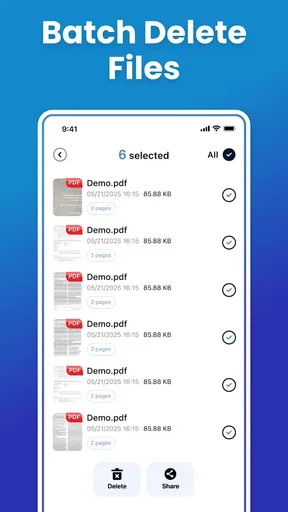
The app’s long-term usefulness depends partly on keeping the document pile manageable. I would periodically remove duplicate downloads, rename scans that I expect to need again, and make sure a final signed copy is distinguishable from a draft. These are not glamorous steps, but they prevent the frustrating moment when a phone contains several nearly identical versions and none is obviously the one to send.
There is a trade-off in keeping everything within a single app: fewer handoffs can make routine work feel simpler, while relying on one workflow for every document can make organization harder if files are scattered across device storage and cloud locations. A simple rule helps: decide whether a document is temporary, worth keeping locally, or belongs in a shared cloud folder before creating several copies. That keeps a convenient tool from becoming another place to search.
Another possible source of fatigue is expecting mobile editing to feel like desktop editing. A small screen is fine for reading a few pages and making a targeted change, but reviewing a long contract or adjusting a dense table can be tiring. I would reserve those tasks for a computer when I can, and use the phone for urgent, bounded actions. The app is most satisfying when it saves a trip to the computer, not when I force it to imitate one.
Before settling into a workflow, I’d test a low-stakes document: open it, make a small annotation, try the kind of conversion I expect to use, and check where the saved result ends up. That short trial answers practical questions that matter more than a feature list: whether the controls suit my hands, whether the output is easy to locate, and whether the converted copy retains what I need. It is a sensible way to avoid discovering friction during a deadline.
Who should keep it—and who can skip it
I can see PDF Spark earning a lasting place for students who mark up class material, freelancers who sign and return forms, and people who regularly need to scan paper into a usable file. It is also a reasonable option for anyone who wants a single mobile starting point for everyday PDF jobs instead of collecting separate utilities. Its appeal is strongest when the same few actions come around often enough to become a habit.
I would be more cautious if your work depends on exact page design, large-scale text editing, or a careful audit trail across many document versions. In those cases, the phone is best used for quick review, while a dedicated desktop setup handles the authoritative edits. If you rarely touch PDFs at all, there may be little recurring benefit in adding another app to your routine.
Does it earn a permanent spot?
In conclusion, PDF Spark - Reader & Editor is a robust tool that packs quite a punch. Whether you’re a student needing to mark up lecture notes, a professional reviewing contracts, or just someone who wants to keep their PDFs organized, this app has something for everyone.
Its comprehensive features, combined with a user-friendly interface, make it a must-have in the world of productivity apps. So, if you haven’t already, give it a try. It might just become an essential part of your digital toolkit.
My more measured recommendation is to give it a place if its tools match work you already do, rather than installing it in the hope that you will suddenly handle more paperwork. Try it with a harmless file first, decide where finished documents should go, and keep a backup before making consequential edits. If those habits make reading, signing, or scanning less of a chore, its value can outlast the first-week novelty. If your PDFs are rare or demanding, a simpler reader or a full desktop editor may serve you better.
Pros
- Intuitive and easy-to-navigate interface.
- Supports multiple file formats.
- Fast and efficient document loading.
- Advanced editing tools available.
- Offline reading mode enhances accessibility.
Cons
- Limited cloud storage integration options.
- Some features locked behind a paywall.
- Occasional ads in the free version.
- No real-time collaboration tools.
- Editing tools can be overwhelming for beginners.
FAQs for PDF Spark - Reader & Editor
What are the main features of PDF Spark - Reader & Editor?
PDF Spark - Reader & Editor offers a comprehensive suite of tools for managing PDF documents. Users can view, annotate, and edit PDFs with ease. The app also supports text and image extraction, form filling, and e-signatures. It integrates with cloud storage services, allowing users to access and share documents seamlessly across devices.
Is PDF Spark - Reader & Editor free to use?
PDF Spark offers a free version with basic features such as viewing and annotating PDFs. However, advanced functionalities like editing, e-signing, and cloud integration may require a subscription. This tiered structure allows users to choose the level of service that best fits their needs, with options for monthly or annual plans.
How does PDF Spark ensure my document security?
Security is a priority for PDF Spark. The app uses encryption to protect your documents and ensure that your data remains private. Additionally, it supports password protection for sensitive files and complies with major data protection regulations. Users can confidently manage their documents without worrying about unauthorized access.
Can I use PDF Spark on multiple devices?
Yes, PDF Spark supports multi-device use. By creating an account, users can sync their documents and settings across Android and iOS devices. This feature ensures that you have seamless access to your PDFs whether you're on a smartphone or tablet, enhancing productivity and flexibility.
Does PDF Spark support collaboration on documents?
PDF Spark facilitates collaboration by allowing users to share documents with others easily. Team members can annotate and comment on shared PDFs, making it ideal for collaborative projects. It integrates with popular cloud services, ensuring that everyone has the latest version of the document and can contribute in real-time.


